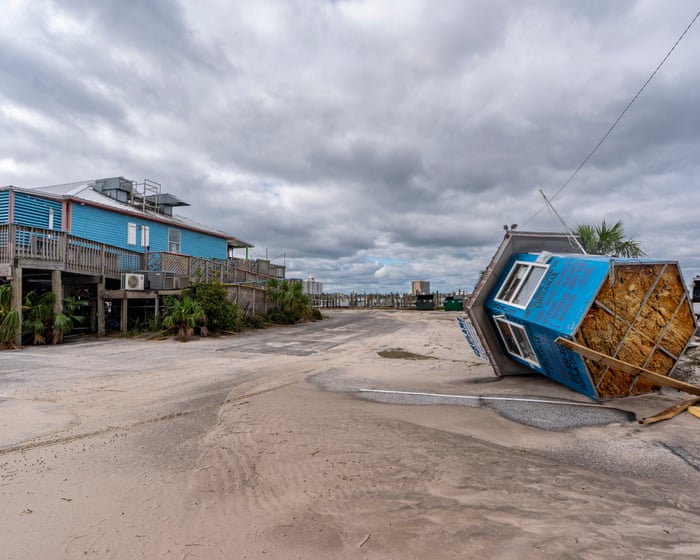
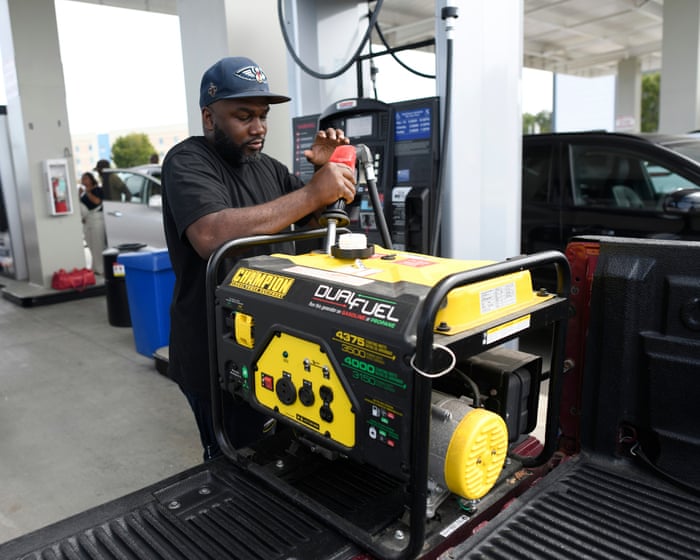
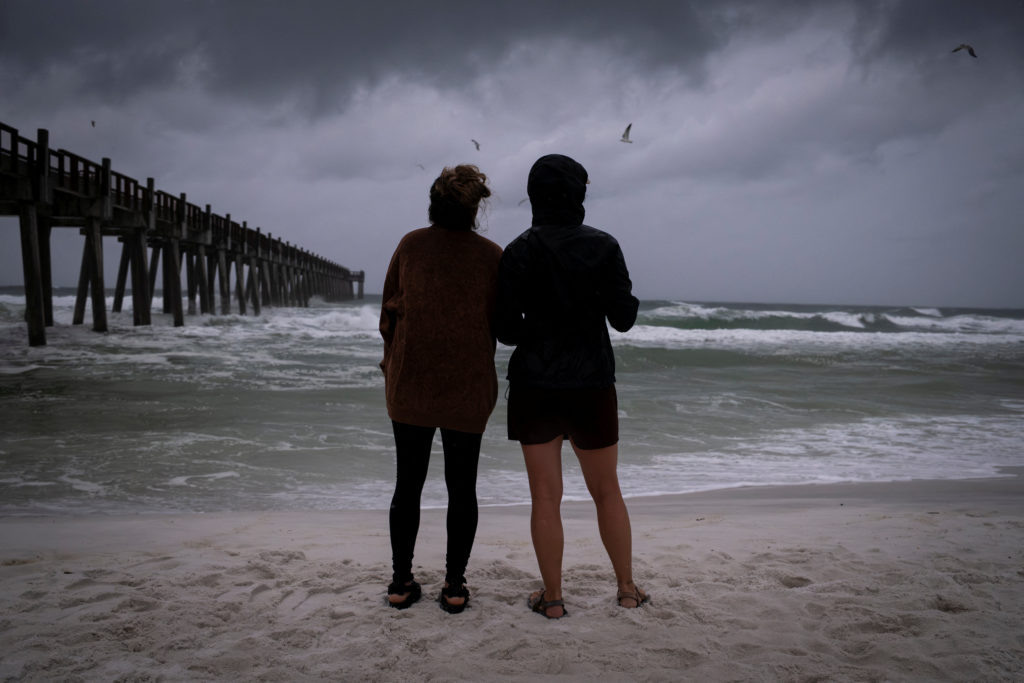
Extreme weather events linked to a powerful El Niño climate pattern are causing dangerous heat, floods, and storms across the globe.
Why it matters to you3
Extreme heat is a direct threat to life, with hundreds of thousands of people at risk of dying from heat-related causes in countries like Nigeria, Sudan, and the Philippines. source
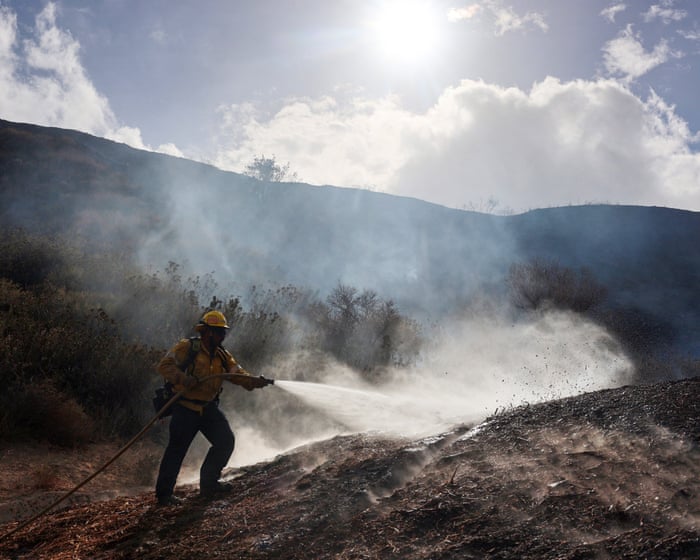
Wildfire smoke is causing widespread health problems, such as respiratory illness, for thousands of people in Indonesia. source
Flooding and storms are destroying homes and infrastructure, forcing leaders in places like Nepal to ask for international help to survive. source
Different sides2
Climate Impact Lab researchers
They warn that this El Niño could be the strongest on record, causing dangerous heat and weather patterns that require urgent emergency planning.
Respiratory illnesses began rising in Indonesia due to wildfire smog. source
CBS Evening News reported on extreme weather affecting both U.S. coasts. source
Researchers warned that the current El Niño could lead to 451,000 extra heat-related deaths. source
Nepal's Prime Minister called recent floods a warning about climate risks in the Himalayas. source
What to watch next3
Whether the El Niño weather pattern peaks as expected near the end of 2026.
If international aid reaches Nepal to help with flood recovery and climate adaptation.
How hurricane activity in the Pacific develops as Hawaii prepares for potential flooding.
What we don't know yet2
Exactly how long the current El Niño will last into the spring of 2027.
The full economic cost of the damage caused by this summer's wildfires and heatwaves in countries like Spain.
Written by AI from 10 news stories. Every point links to the story it came from. Updated Sep 25 ago.
Analysis
Extreme weather events, including record-breaking Pacific temperatures from El Niño and catastrophic flooding in Thailand and Nepal, are causing widespread displacement and health risks globally. These climate-linked disasters are increasingly impacting daily life, from air quality and pregnancy outcomes to infrastructure damage and energy grid failures. Observers are now monitoring the intensifying El Niño pattern, which the UN warns will peak in December and potentially exacerbate global heat-related mortality.
Would you accept higher energy bills to cut emissions faster?
How the odds moved
Will the total number of confirmed fatalities from Hurricane Polo and Hurricane Nolo combined exceed 150 by December 31, 2026?
151 or more fatalities 42%150 or fewer fatalities 58%
No moves yet. The odds change only when one of the events below is confirmed by at least two outlets or an official source.
What would move the odds
These are possible future events Zoose is watching for, not news. None has happened unless it is marked Confirmed.
Possible · not happened25% chance
Nolo makes landfall as Category 4+If it happens:↑ 151 or more fatalities↓ 150 or fewer fatalities
Will it happen by Dec 31?
Possible · not happened45% chance
Mass mudslides reported in GuerreroIf it happens:↑ 151 or more fatalities↓ 150 or fewer fatalities
Will it happen by Dec 31?
Possible · not happened15% chance
Hawaii emergency shelters reach capacityIf it happens:↑ 151 or more fatalities
Will it happen by Dec 31?
Possible · not happened55% chance
Polo dissipates over mountainous terrainIf it happens:↑ 150 or fewer fatalities↓ 151 or more fatalities
Will it happen by Dec 31?
Started at 42% / 58% on Sep 26. Each event can fire once.
Make your forecast
Scenarios to Dec 31, 2026
Will the total number of confirmed fatalities from Hurricane Polo and Hurricane Nolo combined exceed 150 by December 31, 2026?
151 or more fatalities
42%
150 or fewer fatalities
58%
Odds move when a signpost is confirmed by the news.
Discussion
Ask @zoose anything about Climate
zoose●
New forecast: Will the total number of confirmed fatalities from Hurricane Polo and Hurricane Nolo combined exceed 150 by December 31, 2026? Starting odds: 151 or more fatalities 42%, 150 or fewer fatalities 58%.
 Climate